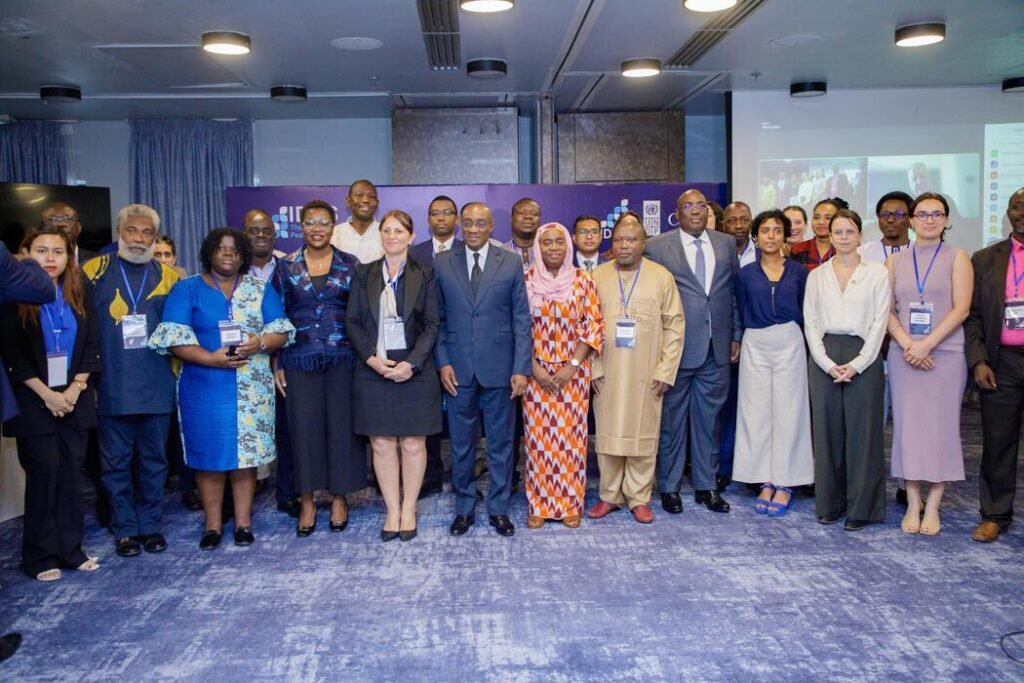
In July 2025, Sierra Leone’s civil society was proudly represented on the regional stage as Musa Ansumana Soko participated in the International Dialogue on Peacebuilding and Statebuilding (IDPS) 2025 Coastal West Africa Dialogue held in Abidjan, Côte d’Ivoire.
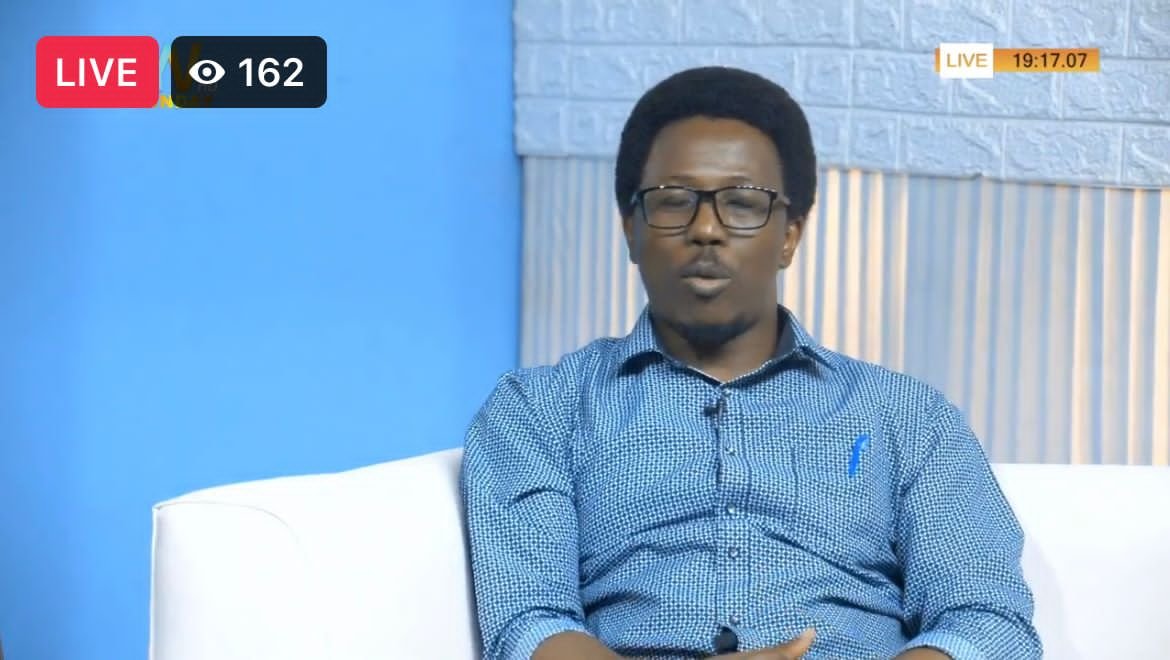 Attending in his capacity as the Country Focal Point of the Civil Society Platform for Peacebuilding and Statebuilding (CSPPS), Musa joined policymakers, development practitioners, regional organisations, financial institutions, and United Nations representatives to contribute to critical discussions on prevention, peacebuilding, and nationally led development strategies across Coastal West Africa.
His participation reflected not only Sierra Leone’s growing contribution to regional peacebuilding efforts but also the important role that civil society plays in shaping policies and solutions for fragile and conflict-affected contexts.
A Regional Platform for Prevention and Peacebuilding
Convened by the International Dialogue on Peacebuilding and Statebuilding (IDPS) Secretariat, hosted by the United Nations Development Programme (UNDP), the two-day dialogue brought together approximately 50 representatives from the IDPS constituencies, including the g7+, CSPPS, the OECD International Network on Conflict and Fragility, regional organisations, international financial institutions, and the United Nations system.
Building on previous regional dialogues, the meeting sought to develop a shared understanding of evolving peace, security, and development trends while identifying nationally owned prevention initiatives capable of strengthening resilience across Coastal West Africa.
The dialogue recognised that sustainable peace can only be achieved when national actors and local communities are empowered to lead prevention efforts rather than relying solely on external interventions.
Representing Sierra Leone’s Civil Society Perspective
As Country Focal Point of CSPPS in Sierra Leone, Musa Ansumana Soko carried the collective voice and experiences of Sierra Leonean civil society organisations working in peacebuilding, governance, youth participation, accountability, and conflict prevention.
His participation highlighted Sierra Leone’s practical lessons in:
- Community-led peacebuilding initiatives.
- Youth inclusion in governance and decision-making.
- National ownership of prevention strategies.
- Strengthening partnerships between governments and civil society.
- Building resilience through local leadership and citizen engagement.
- Integrating development, security, and social cohesion approaches.
Drawing from Sierra Leone’s own post-conflict recovery journey, Musa shared perspectives on how inclusive participation and sustained civic engagement remain essential ingredients for preventing conflict and promoting stability.
Exploring Emerging Regional Challenges
Throughout the dialogue, participants examined major geopolitical, security, and development trends shaping West Africa’s future.
Key sessions focused on:
- Global and regional trends affecting peacebuilding and fragility.
- Reviewing prevention and resilience efforts since the 2024 dialogue.
- National case studies on prevention strategies.
- Inclusivity and responsiveness of nationally owned processes.
- Gender equality and youth empowerment.
- Climate change as an emerging peace and security concern.
- Bridging peace, security, and development agendas.
- Building stronger international partnerships that support nationally led action.
These discussions reinforced the understanding that prevention requires coordinated investments across governance, social development, economic opportunity, and environmental resilience.
Elevating the Role of Civil Society
One of the defining messages throughout the meeting was the indispensable role of civil society in identifying risks early, facilitating dialogue, promoting accountability, and connecting institutions with communities.
For CSPPS and its national focal points, including Sierra Leone, this means ensuring that grassroots voices inform regional and international policy discussions.
Musa’s participation demonstrated how local experiences from Sierra Leone can contribute meaningfully to broader regional strategies while also bringing valuable lessons back home for adaptation and implementation.
Connecting Peacebuilding with Development
An important theme emerging from the dialogue was the need to bridge peacebuilding, security, and development rather than treating them as separate sectors.
This integrated approach closely aligns with the work that Musa has championed through both the Civil Society Platform for Peacebuilding and Statebuilding and his broader engagement with youth empowerment, governance reform, and community resilience.
Experience has consistently shown that investments in education, employment, inclusion, climate resilience, and accountable institutions reduce the conditions that often lead to instability and conflict.
Strengthening National Ownership
The concept note for the dialogue emphasised support for nationally owned prevention strategies rather than externally imposed solutions.
For Sierra Leone, this principle resonates strongly.
The country’s peacebuilding successes have often been driven by collaboration between government institutions, civil society organisations, traditional leaders, women’s groups, youth networks, and local communities. Strengthening these national mechanisms remains critical for sustaining peace and preventing future crises.
Musa’s contribution reinforced the importance of ensuring that prevention strategies are locally designed, community informed, and nationally led.
Bringing Regional Learning Back Home
Participation in the IDPS 2025 Coastal West Africa Dialogue provides an opportunity for Sierra Leonean civil society to strengthen its own programming through shared regional experiences and emerging best practices.
Lessons from discussions on prevention strategies, partnerships, climate resilience, youth engagement, and inclusive governance can help inform future initiatives led by CSPPS members and partner organisations across the country.
Equally important, Sierra Leone’s own experiences in post-conflict recovery continue to offer valuable insights for neighbouring countries navigating similar challenges.
Conclusion
As West Africa faces evolving security threats, democratic transitions, climate pressures, and socio-economic inequalities, platforms such as the IDPS Coastal West Africa Dialogue provide an essential space for collective learning and coordinated action.
By representing Sierra Leone’s civil society at this important regional forum, Musa Ansumana Soko reaffirmed the country’s commitment to nationally led peacebuilding and demonstrated the value of grassroots perspectives in shaping regional policy.
The dialogue served as a reminder that sustainable peace is built not only through governments and international institutions but also through active citizens, empowered communities, and strong civil society organisations working together to prevent conflict before it emerges. Through continued engagement in platforms such as CSPPS and IDPS, Sierra Leone remains well positioned to contribute to a more peaceful, resilient, and inclusive West Africa.